.png)
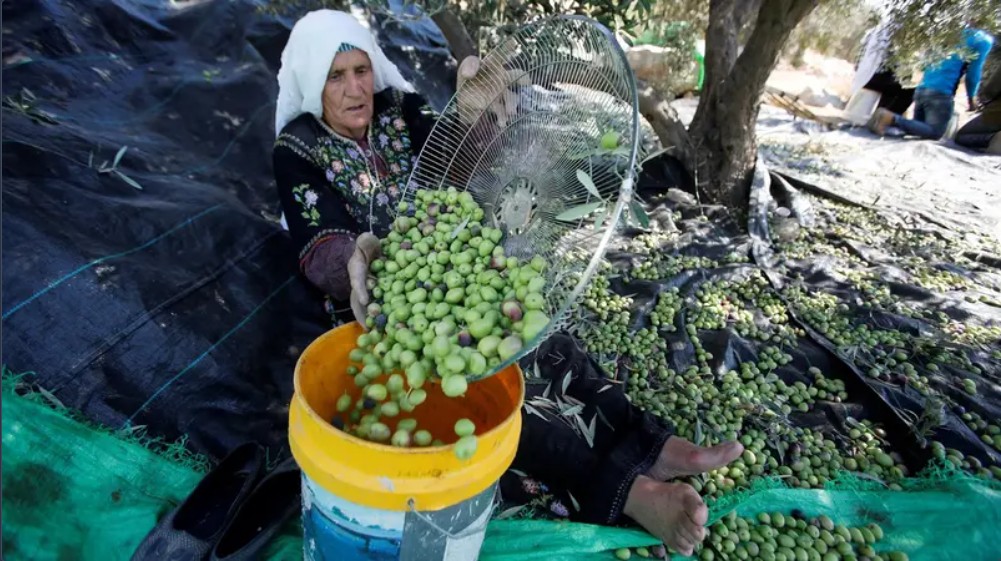
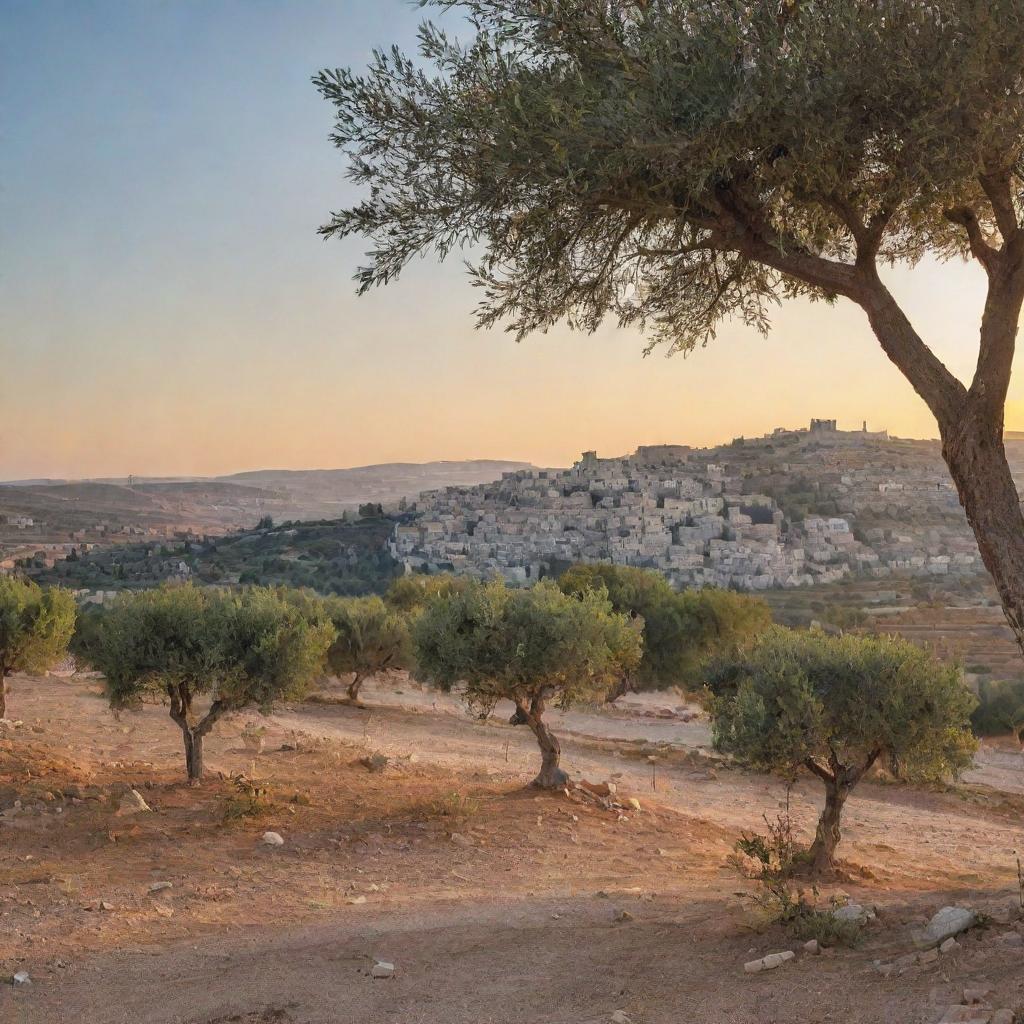
Why Palestinians Stay: The Deep Connection Between Land, Identity and Survival
For Palestinians, the land has a meaning that extends beyond borders, nationality or property. The relationship between Palestinians and their land is rooted in thousands of years of existence, labor and culture. The country is not a backdrop to their history ΓÇö it is their history.
In every olive tree, in every citrus fruit, in every stone of a village wall lives a story of steadfastness and return. Despite decades of colonization, occupation and uprooting, Palestinians remain rooted in their land. Not out of naivety, but out of conviction: staying is an act of resistance.
The olive tree as a symbol of existence
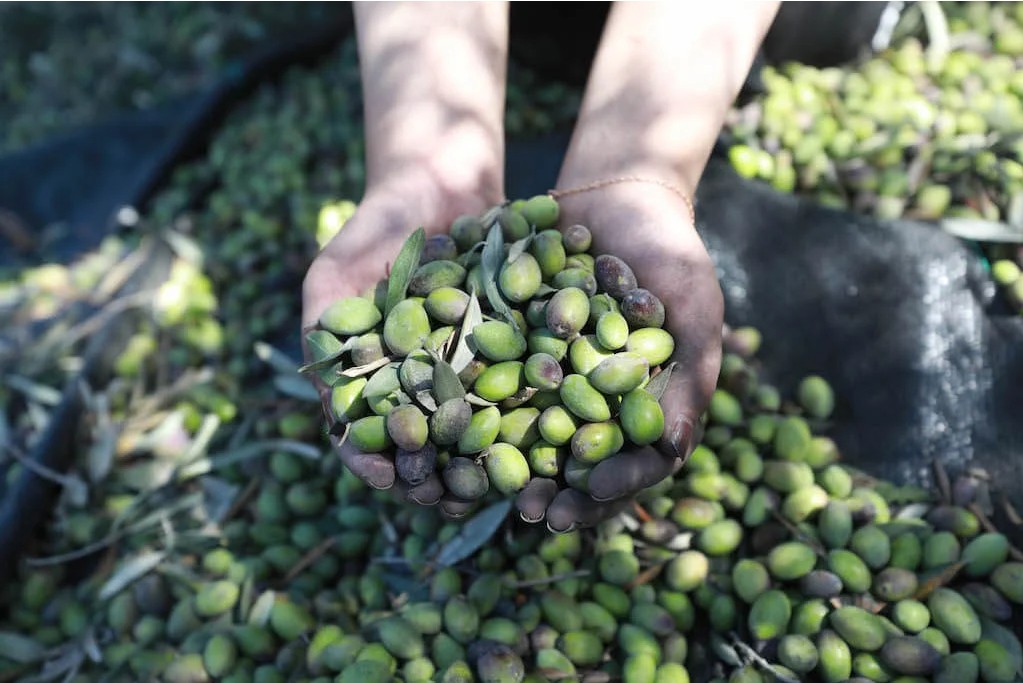
Few symbols sum up the Palestinian connection to the land better than the olive tree. This tree, old, deep-rooted and resilient, reflects the Palestinian people themselves. Families take care of their olive trees as if they were family members. The annual harvest, the pressing of oil, and the sharing of it with loved ones are not merely agricultural acts, but rituals of continuity and community.
That is precisely why the Israeli army and settlers often focus their attacks on olive groves. Uprooting an olive tree is more than vandalism ΓÇö it is an attack on identity, memory and future. Since 1967, it is estimated that more than 800,000 olive trees have been destroyed. Every tree that falls represents an attempt to tear the roots of a people away from its history.
ΓÇ£If you cut down a Palestinian olive tree, it will return in the next generation in the form of a child.ΓÇ¥ ΓÇö Palestinian Proverb
Land as a way of life and identity
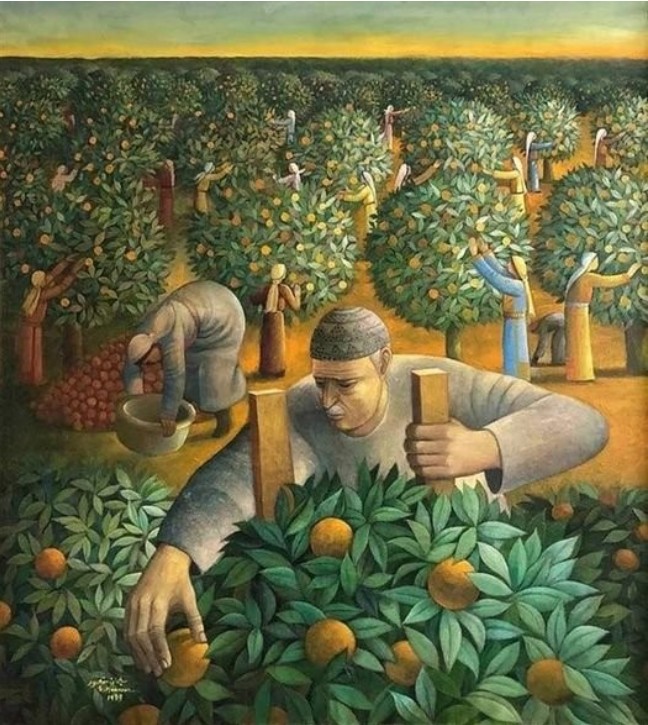
In global discourse, the Palestinian struggle is often reduced to a conflict over borders or sovereignty. But for Palestinians, land means something much deeper: it is a way of life, a source of nourishment and income, a space of togetherness, and above all a foundation of identity.
From the scent of Jaffa oranges, once famous worldwide, to the ΓÇ£red goldΓÇ¥ strawberries of Gaza ΓÇö Palestinian agricultural products tell stories of pride, craftsmanship and belonging. Even in the kitchen, this relationship lives on: traditional dishes, passed down from mother to daughter, reflect an intimate knowledge of seasons, crops and soil.
Palestinian cuisine is therefore a living archive. Every dish ΓÇö from maqlouba to msakhan ΓÇö is a reminder of the fertility of the earth, of harvests that were once free, and of the shared meals that brought families together.
Colonial disruption and struggle for food sovereignty
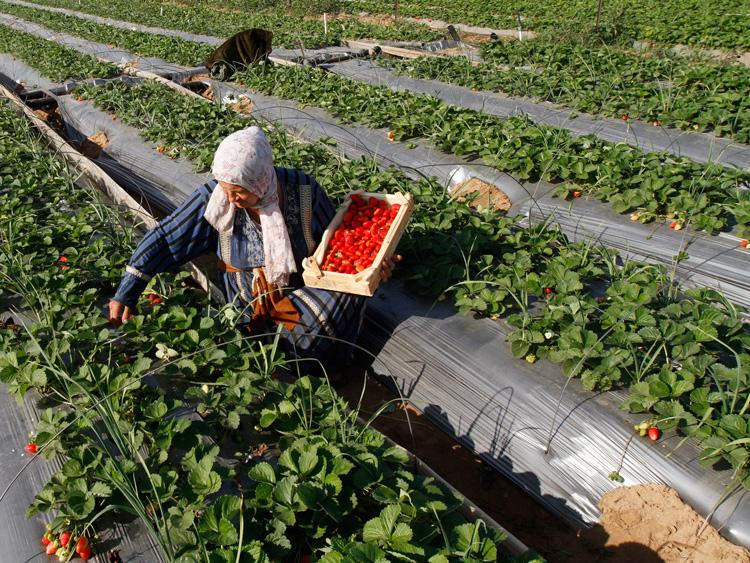
Long before the Nakba of 1948, when hundreds of thousands of Palestinians were expelled from their land, their economic independence was already undermined. Under Ottoman and later British rule, rules applied about where Palestinians were allowed to sow and to whom they could sell their harvest.
After the establishment of the State of Israel, this disruption was systematically deepened. Israeli occupation policies weakened Palestinian food sovereignty by: imposing dependence on Israeli imports; restricting exports of Palestinian products through permits and checkpoints; and expropriating land and water resources under the guise of ΓÇ£securityΓÇ¥ or ΓÇ£military useΓÇ¥.
According to FAO and UNCTAD, more than a third of Palestinians in the occupied territories live in food insecurity today, while over 60% of agricultural land is directly or indirectly controlled or restricted by Israeli measures.
Yet Palestinian farmers continue to sow ΓÇö often silently, often at night ΓÇö because every seed is an act of resistance against uprooting.
Land Day: an annual reminder
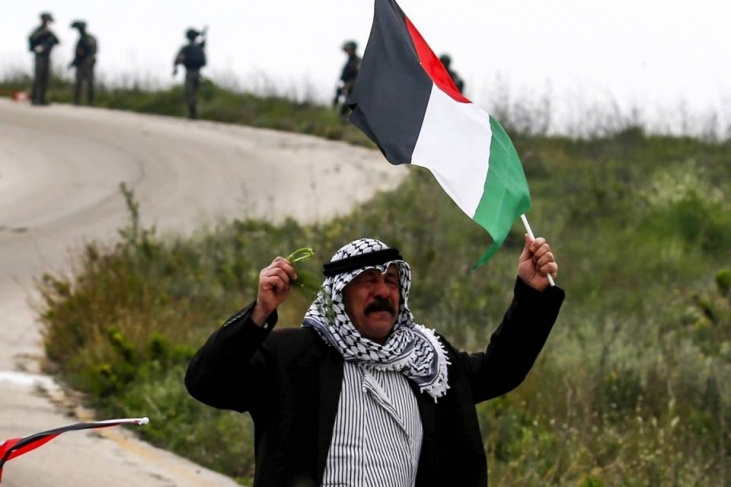
ΓÇ£I am the earth, and the earth is you. Khadija, don't close the door, don't disappear in the absence. We will drive them out of the flower vase and the clothesline, out of the stones of this long way, out of the skies of Galilee.ΓÇ¥
A choice for existence
Despite decades of occupation, destruction and exile, Palestinians remain rooted in their land. Every olive tree that is planted, every meal that is shared, every poem that speaks of the earth ΓÇö is an affirmation of existence.
For Palestinians, land is not just possession, but presence. As long as there is an olive tree left, a child watering his grandfather's tree, or a song that preserves the name of a village, Palestine will continue to exist.
Bronnen & verwijzingen
- Food and Agriculture Organization (FAO), Food Security Situation in the oPt, 2023.
- UNCTAD, The Economic Costs of the Israeli Occupation for the Palestinian People, 2022.
- Union of Agricultural Work Committees (UAWC), Land Expropriation Reports 2015ΓÇô2022.
- Mahmoud Darwish, Al-Ard (The Land), 1976.